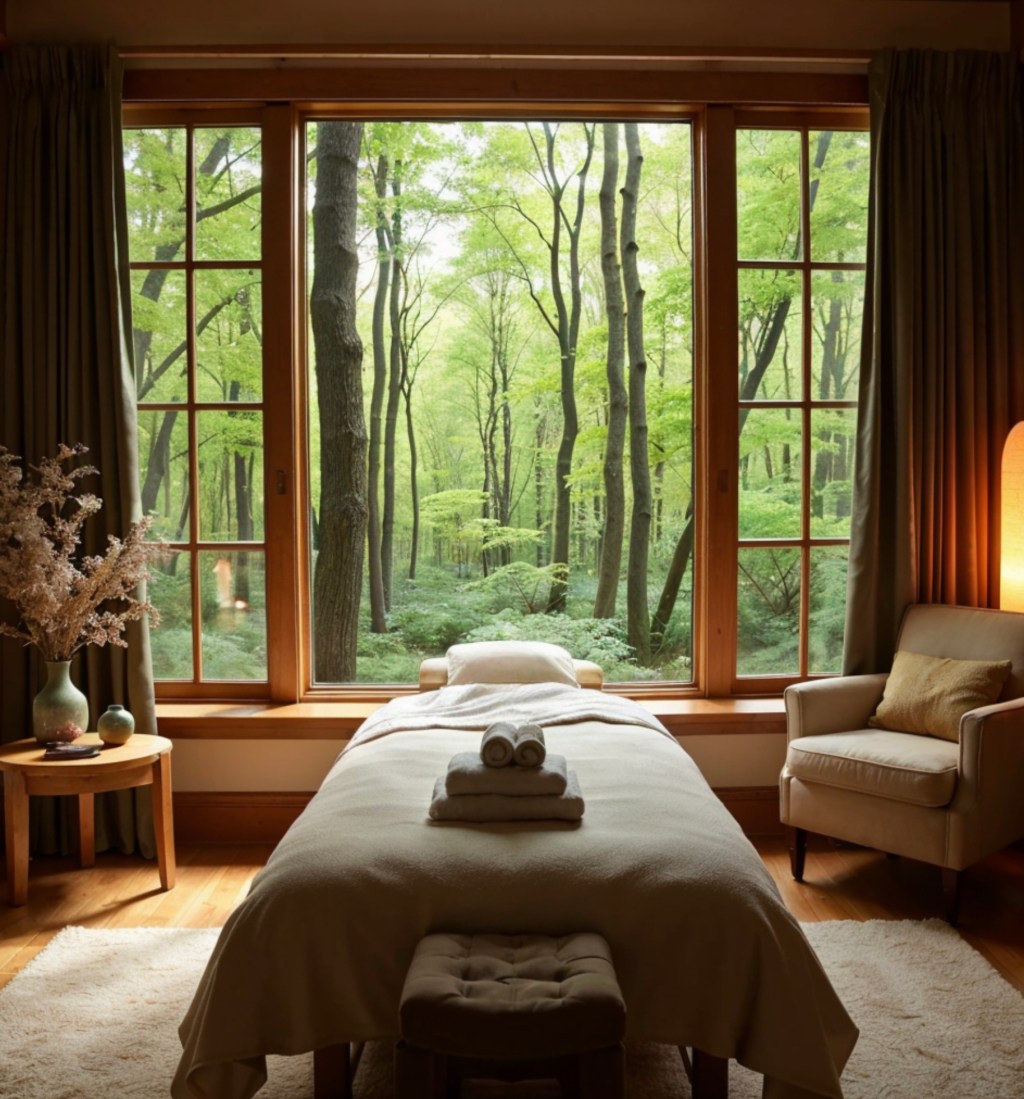
Reflexology, a holistic practice known for its healing touch, has captivated many with its promise of alleviating pain, promoting relaxation, and enhancing overall well-being. This ancient therapy has deep roots, and its benefits have been vouched for by countless individuals across the globe. Let’s delve into the fascinating world of reflexology, exploring its origins, techniques, and remarkable benefits.
Origins of Reflexology
Reflexology dates back to ancient civilisations, with evidence of its practice found in Egyptian, Chinese, and Indian cultures. The earliest records of reflexology were discovered in Egypt, where wall paintings depicting foot and hand massages were found in the tomb of an Egyptian physician named Ankmahor, dating back to 2330 BC. In China, practices resembling reflexology have been part of traditional Chinese medicine for over 4,000 years.
The modern form of reflexology, however, is largely credited to Dr William Fitzgerald, an American ear, nose, and throat specialist. In the early 20th century, he developed “zone therapy,” which divided the body into ten vertical zones. Later, Eunice Ingham, a physiotherapist, expanded on his work and mapped the entire body onto the feet and hands, laying the foundation for contemporary reflexology.
Techniques of Reflexology
Reflexology involves applying pressure to specific points on the feet, hands, and ears, known as reflex points. These points correspond to various organs and systems within the body. Here are some core techniques used in reflexology:
- Thumb Walking: A technique where the practitioner uses their thumb to “walk” across the reflex points, applying steady pressure.
- Finger Walking: Similar to thumb walking but using fingers, particularly effective for smaller areas.
- Hook and Back-Up: Involves hooking the thumb or finger into a reflex point and pulling back slightly to stimulate the area.
- Rotation on a Point: Applying pressure and rotating the thumb or finger on a specific point to target deep-seated tension.
Practitioners believe that stimulating these reflex points can enhance energy flow, reduce stress, and improve overall health.
Benefits of Reflexology
The benefits of reflexology extend beyond mere relaxation. Numerous studies and personal accounts highlight its potential to improve various health conditions. Here are some notable benefits:
- Stress Reduction and Relaxation: Reflexology promotes deep relaxation, helping to reduce stress levels and improve mental clarity. Many clients report feeling a profound sense of calm after a session.
- Pain Relief: Reflexology has been found to alleviate pain, particularly in conditions like migraines, arthritis, and back pain. According to a study published in the “Journal of Korean Academy of Nursing,” patients with chronic pain experienced significant relief after regular reflexology sessions.
- Improved Circulation: By stimulating the reflex points, reflexology can enhance blood flow, which is crucial for healing and maintaining optimal organ function.
- Enhanced Fertility: Reflexology has been linked to improved fertility in both men and women. A noteworthy case is shared by reflexologist Jane Holt, who recounted a client’s experience in “Reflexology Today”: “After just a few months of regular sessions, she became pregnant after years of trying. Reflexology helped her body to relax and reset, paving the way for natural conception.”
- Boosted Immunity: Regular reflexology sessions can strengthen the immune system, making the body more resilient to illnesses. A client testimonial in “Health and Wellness Magazine” mentioned, “I’ve noticed I catch colds far less frequently since I started reflexology. My overall health feels robust.”
- Aid in Cancer Treatment: Reflexology can be a supportive therapy for cancer patients, helping to alleviate symptoms like nausea, fatigue, and anxiety. According to the “Cancer Research UK,” many patients find reflexology beneficial during their treatment journey.
Personal Experiences
Many individuals have shared their transformative experiences with reflexology. For instance, Sarah, a 35-year-old teacher, described her journey in “Natural Healing Journal”: “I was sceptical at first, but reflexology has changed my life. Chronic migraines used to debilitate me, but after a few sessions, the frequency and intensity have significantly decreased. It feels like a weight has been lifted off my shoulders.”
John, a 50-year-old businessman, shared his story in “Holistic Health”: “Stress was affecting every aspect of my life. Reflexology not only helped me relax but also improved my sleep and energy levels. I feel rejuvenated and more focused than ever.”
Our professional opinion…
Reflexology is more than just a foot massage; it is a pathway to holistic health. Its ancient origins, coupled with modern techniques, offer a powerful tool for healing and rejuvenation. Whether you are seeking relief from pain, improved fertility, or simply a way to unwind, reflexology can provide remarkable benefits. Embrace this ancient practice and experience the profound healing touch of reflexology.
References:
- “Journal of Korean Academy of Nursing”
- “Reflexology Today”
- “Health and Wellness Magazine”
- “Cancer Research UK”
- “Natural Healing Journal”
- “Holistic Health”

Leave a comment